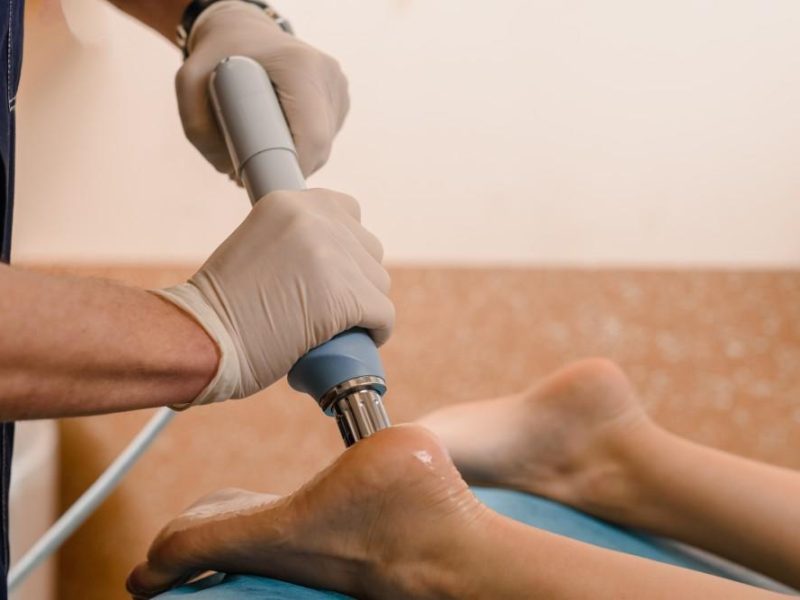
Muscle pain and tension can affect how you move, work, exercise, and enjoy everyday activities. Tight muscles may develop after strenuous exercise, repetitive movements, poor posture, injury, or prolonged periods of inactivity. When these problems continue, they can become frustrating and may limit normal movement. Dry needling is one treatment approach that physiotherapists may use to address certain types of muscular pain and tension.
Understanding how the technique works can help you decide whether it may be appropriate for your condition. This guide explains the basic process, potential benefits, what to expect during treatment, and important considerations before beginning therapy.
What Is Dry Needling?
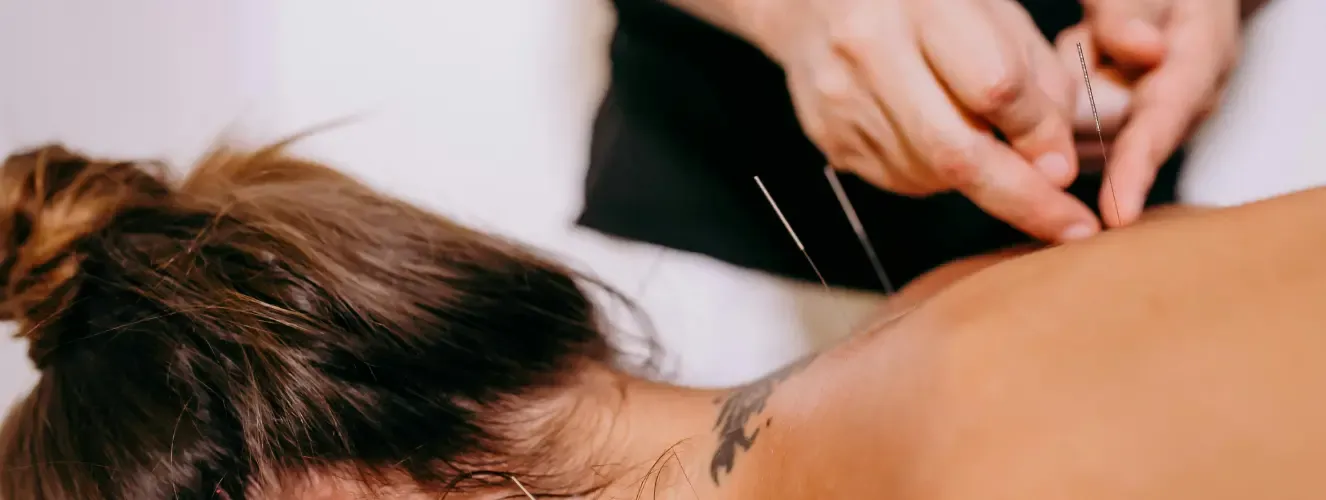
Dry needling is a treatment technique that uses very thin, sterile needles to target specific areas of muscle and surrounding soft tissue. Unlike injections, the needles do not deliver medication or another substance into the body. The goal is to stimulate selected tissues and influence muscular tightness and pain.
A trained healthcare professional typically assesses your movement and symptoms before choosing appropriate treatment areas. Depending on your condition, the technique may be used alongside exercise, manual therapy, stretching, and other physiotherapy methods.
How Does Dry Needling Work?
Muscles can develop sensitive, tight areas sometimes called trigger points. These areas may feel like knots and can contribute to localized discomfort or pain that spreads to nearby regions. During treatment, a practitioner carefully inserts a fine needle into selected muscle tissue.
The stimulation may produce a brief local twitch response. This response can help the practitioner target the affected tissue and may reduce abnormal muscle tightness. The technique may also influence the nervous system’s processing of pain.
Several effects may contribute to the treatment response:
- Stimulation of specific muscle tissue
- Reduction of localized muscular tightness
- Changes in pain sensitivity
- Improved tolerance to movement
- Support for normal muscle function
The exact response varies from person to person, and dry needling is not guaranteed to produce the same results for everyone.
Why Do Muscles Become Painful and Tight?
Muscle tension can develop for many different reasons. Repeated physical demands may cause muscles to become overloaded, while an injury can cause protective tightening around an affected area. Everyday habits can also contribute to persistent tension.
Common contributing factors include:
- Repetitive movements at work
- Intense or unfamiliar exercise
- Sports-related strain
- Poor movement patterns
- Prolonged sitting
- Stress-related muscle tension
- Previous injuries
- Insufficient recovery between activities
Identifying the underlying reason for your symptoms is important. Treating muscular tension without addressing contributing factors may provide only temporary improvement.
Potential Benefits for Muscle Pain
When appropriately recommended, dry needling may form part of a broader physiotherapy program. Some people experience reduced discomfort and improved movement after treatment, particularly when muscular tightness is contributing to their symptoms.
Potential benefits may include:
Reduced Muscle Tension
Targeting tight muscle areas may help decrease excessive tension and make movement feel more comfortable.
Improved Movement
When painful or restricted muscles become easier to move, certain exercises and daily activities may become more manageable.
Pain Management
Treatment may influence local tissues and the nervous system in ways that can reduce pain sensitivity for some individuals.
Support for Rehabilitation
Dry needling can sometimes complement an active rehabilitation plan, helping patients participate more comfortably in strengthening or mobility exercises.
What Happens During a Treatment Session?
Before treatment begins, the practitioner should discuss your symptoms, medical history, and goals. They may assess posture, movement, muscle function, and the location of your discomfort.
During the procedure, the practitioner cleans the treatment area and uses sterile, single-use needles. You may feel a small prick when the needle enters the skin. Some people experience a brief twitch or aching sensation when the targeted muscle responds.
After the needle is removed, the area may feel temporarily sensitive. Your practitioner can advise you about suitable activities and exercises following the session.
Is Dry Needling Painful?
Experiences differ between individuals. Most people describe the needle insertion as a brief prick, although some areas can feel more sensitive than others. A muscle twitch may create a short-lived cramping or aching sensation.
It is important to communicate with your practitioner throughout treatment. If discomfort feels excessive or unusual, tell them immediately so they can reassess the technique.
Mild soreness after treatment can occur and often settles relatively quickly. However, severe, persistent, or unusual symptoms should be discussed with a healthcare professional.
Is Dry Needling the Same as Acupuncture?
Although both techniques involve thin needles, they are not necessarily performed for the same purpose. Acupuncture is traditionally associated with specific therapeutic principles and acupuncture points. Dry needling generally focuses on musculoskeletal problems, particularly muscles and related soft tissues.
The practitioner’s training, assessment process, treatment goals, and clinical approach can therefore differ. If you are unsure which option is suitable, a qualified professional can explain the differences based on your individual needs.
Who May Benefit From Dry Needling?
Dry needling may be considered for people experiencing certain musculoskeletal conditions involving muscle pain, tightness, or movement limitations. It may be incorporated into rehabilitation for:
- Neck and shoulder discomfort
- Back and hip muscle tension
- Certain sports-related muscle problems
- Muscle stiffness
- Trigger-point-related pain
- Movement restrictions associated with muscular tightness
However, not everyone is a suitable candidate. A proper assessment is necessary before treatment is recommended.
Important Safety Considerations
Dry needling should be performed by an appropriately trained professional using safe and hygienic procedures. Before treatment, tell your practitioner about relevant medications, bleeding problems, allergies, recent surgeries, pregnancy, or other health considerations.
Potential side effects can include temporary soreness, minor bleeding, bruising, or short-term discomfort. Serious complications are uncommon when appropriate procedures are followed, but discussing your individual circumstances with a qualified practitioner is important.
Combining Dry Needling With Physiotherapy
Dry needling is generally most useful when it is considered as part of a complete rehabilitation strategy rather than as a standalone solution. Your physiotherapist may combine it with exercises designed to improve strength, flexibility, coordination, and movement control.
A treatment plan may include:
- Individualized strengthening exercises
- Mobility and stretching work
- Manual therapy
- Posture and movement education
- Activity modification
- Gradual return to sports or normal activities
This broader approach can help address both current symptoms and factors that may contribute to recurring discomfort.
Final Thoughts
Dry needling is a targeted technique that may help manage certain types of muscle pain and tension. By stimulating selected muscle tissue, it may influence tightness, pain sensitivity, and movement. However, results vary, and treatment should always be based on an appropriate assessment.
If persistent muscle pain is affecting your daily life, sports, work, or exercise routine, speaking with a qualified physiotherapist can help identify the underlying problem and determine whether dry needling or another treatment approach is appropriate for you.
Ready to relieve muscle pain and tension? Contact Legend Physio Mission today to learn whether dry needling is right for you.